
What Is Emotional Architecture?
We often think of architecture as something physical.
Walls, light, materials, objects, space.
But every environment also carries something less visible:
a feeling.
Some spaces immediately calm the nervous system. Others create tension without us fully understanding why. A room can feel grounding, cold, overstimulating, intimate, quiet, expansive, or emotionally heavy long before we consciously register it.
This invisible layer is what we think of as emotional architecture.
At sense • studio, scent is approached as part of that architecture.
Not simply as fragrance, but as atmosphere.
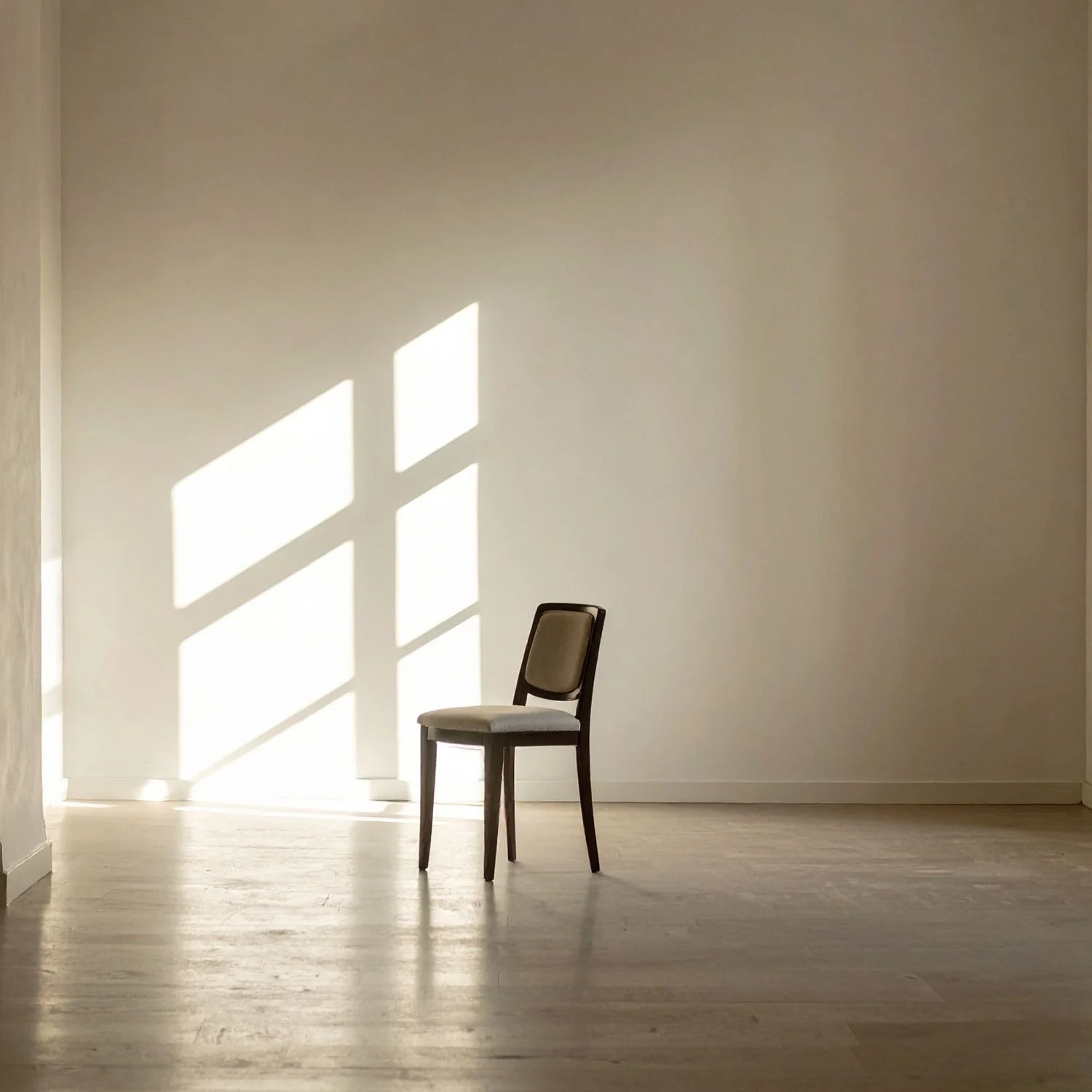
The Spaces We Live In Shape Us
Modern life exposes us to constant sensory input. Artificial lighting, screens, notifications, noise, traffic, crowded environments, synthetic fragrance, visual clutter.
Over time, the nervous system adapts to a state of near continuous stimulation.
Many people no longer notice how deeply their environment affects the way they feel because overstimulation has become normalised.
Yet the body still responds.
We instinctively soften in spaces that feel balanced.
We breathe differently in nature.
We slow down around warmth, texture, smoke, wood, soft light, quiet scent.
Atmosphere is never neutral.
It continuously shapes emotional and physical experience.
Scent Is One of the Most Emotional Senses
Unlike visual information, scent bypasses analytical processing almost entirely. It connects directly to parts of the brain associated with memory, emotion, and instinctive response.
This is why scent can immediately shift perception before thought appears.
A material can feel warm. Dry. Cooling. Expansive. Grounding. Clean. Comforting. Meditative.
Not symbolically, but physically.
Resins, woods, roots, flowers, citrus peel, herbs, smoke. Natural aromatic materials have been used across cultures for centuries, not only for perfume, but for ritual, presence, space, and emotional atmosphere.
The relationship between scent and state is ancient.
Fragrance Beyond Performance
Much of modern fragrance culture focuses on projection, longevity, and intensity.
How strong is it?
How long does it last?
Will people notice it?
But fragrance can also serve another purpose.
It can shape the emotional quality of a space.
It can support stillness.
It can soften an environment.
It can create transition between parts of the day.
Not every scent needs to dominate in order to transform atmosphere.
Sometimes subtle scent changes the way a room feels more deeply than strong scent ever could.
Working With Botanical Materials
Botanical materials behave differently from highly engineered synthetic fragrance compositions.
They evolve more naturally through air, warmth, skin, and time. Their diffusion is often softer and less linear. They interact with the environment rather than overpowering it.
This creates a different relationship with scent.
One that feels more alive, more intimate, and often more connected to the body and surrounding space.
At sense • studio, this slower and more atmospheric quality is intentional.
The goal is not sensory overload.
It is sensory presence.
Emotional Architecture as Ritual
A candle burning during the evening.
Warm resin in the background of a room.
Oil pressed into skin after a shower.
A scent associated with stillness, reading, rest, or transition.
These small sensory gestures slowly become emotional markers within everyday life.
Ritual does not always require ceremony. Often it begins with attention.
Emotional architecture is built through repeated atmosphere. Through the environments we return to. Through the sensory experiences that quietly shape how we feel over time.
Creating Atmosphere Intentionally
The objects we live with affect us far beyond aesthetics.
Light affects mood.
Sound affects tension.
Texture affects comfort.
Scent affects emotional perception.
To work intentionally with atmosphere is not about creating perfection. It is about creating environments that support the way we want to feel.
Slower.
Softer.
More grounded.
More connected.
This is the foundation of sense • studio.
Not simply fragrance for the body, but fragrance as atmosphere.