

Nature Cannot Be Reduced to a Synthetic Molecule
Synthetic fragrance molecules and botanical materials may sometimes smell similar, but they originate from fundamentally different systems. Discover the difference between synthetic aroma chemicals, natural isolates, and real botanical extraction, and why natural perfumery creates a more complex, evolving, and atmospheric sensory experience.
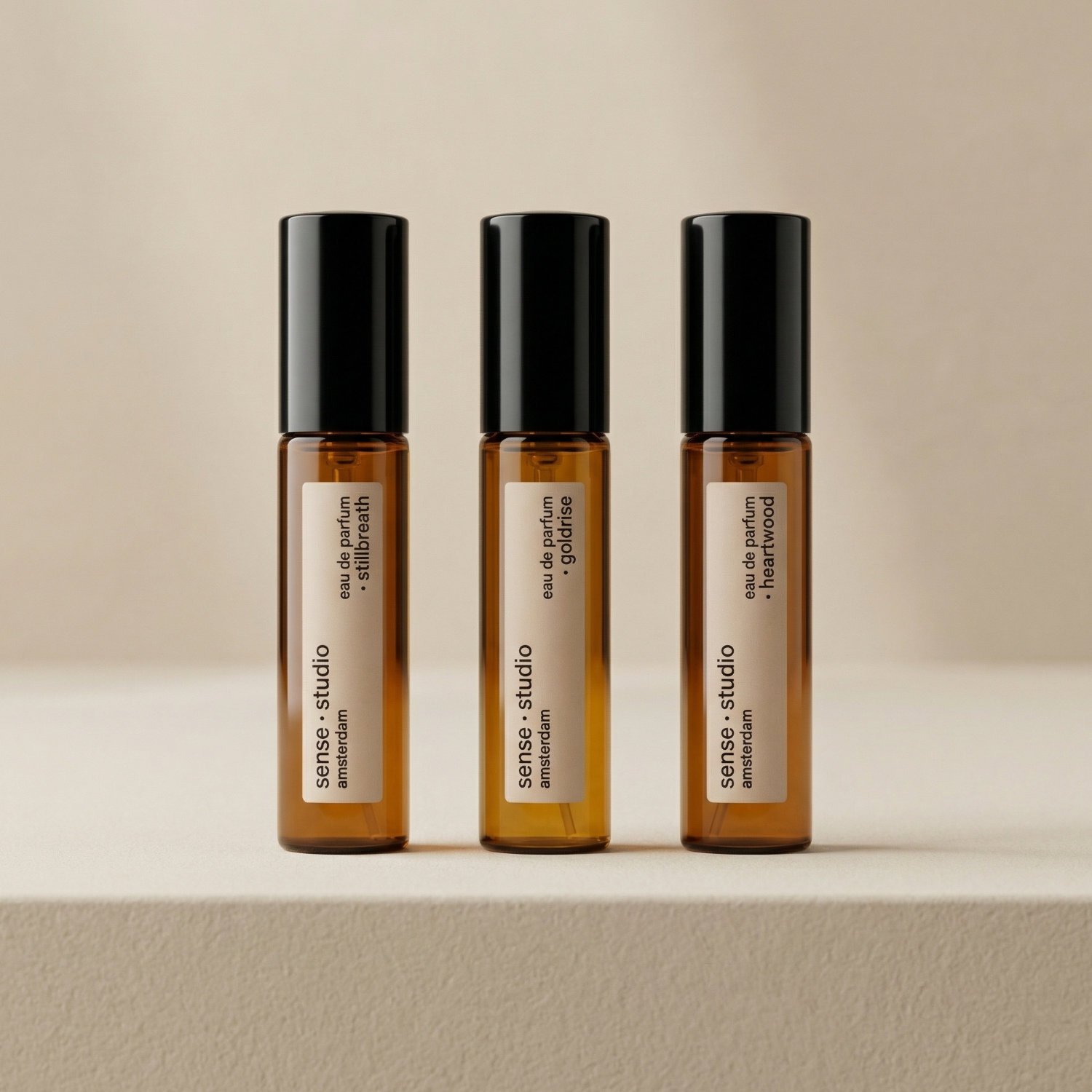
Why We Value What’s Inside More Than the Packaging
At sense • studio, packaging is designed with intention: amber glass to protect botanical materials, minimal paper based materials, and a focus on substance over excess. Discover why we invest more into natural fragrance composition and raw ingredients than decorative luxury packaging.
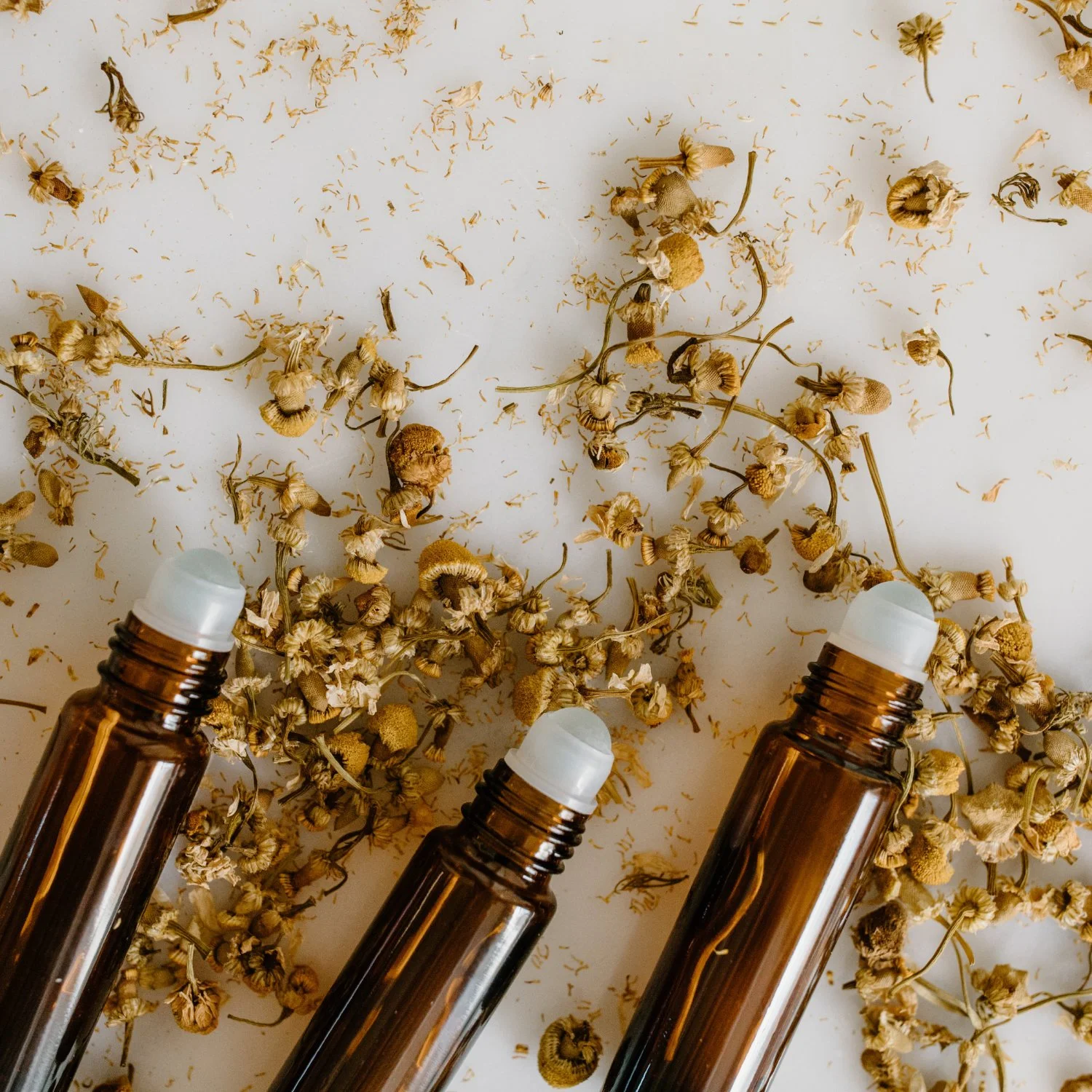
Eau de Parfum vs Perfume Oil
Discover the difference between eau de parfum and perfume oil, and why the same fragrance can smell different depending on the medium carrying it. Learn how alcohol and botanical oils influence scent projection, evolution, texture, and the overall sensory experience of natural perfumery.
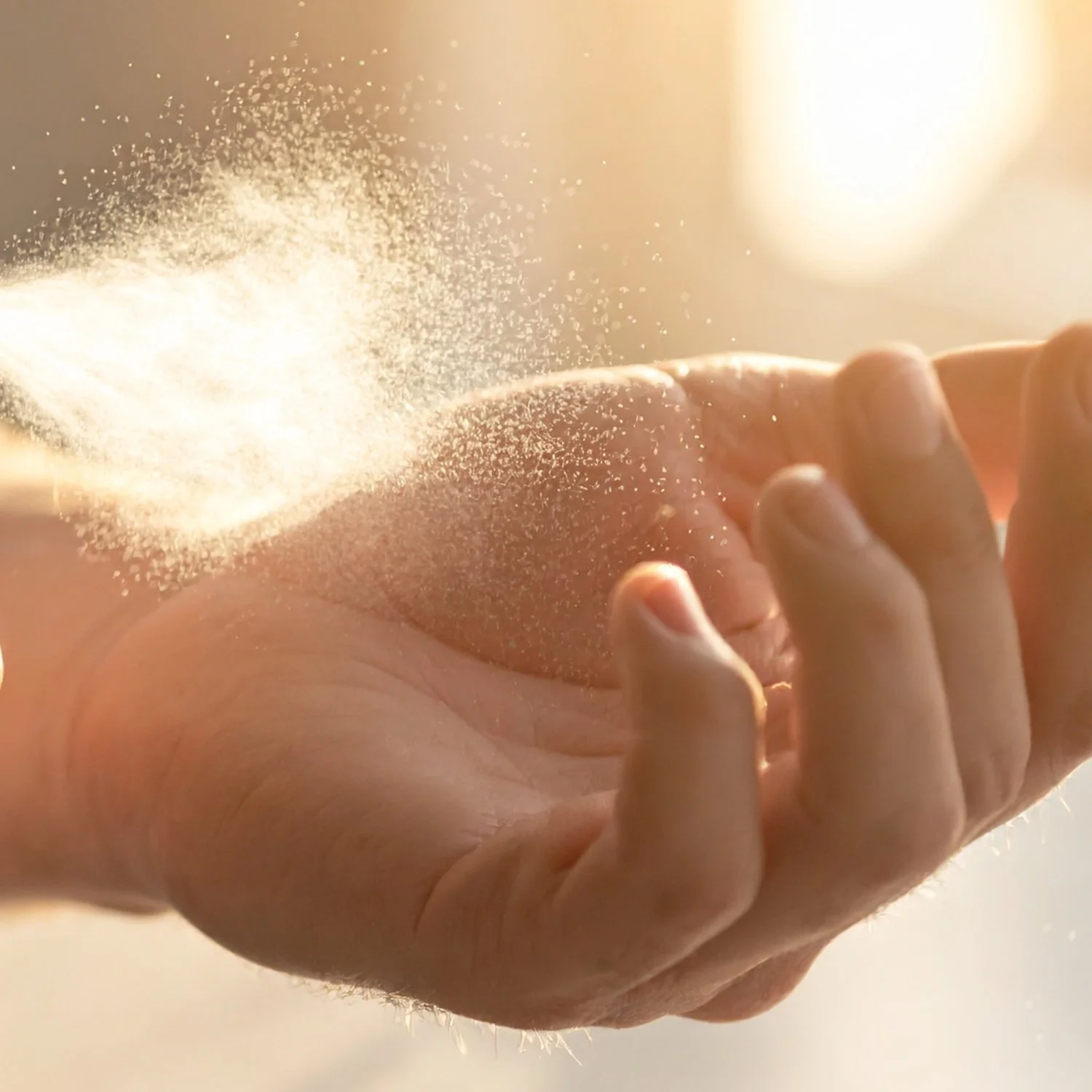
Why We Use Alcohol in Fine Perfumery
Alcohol has been used in fine perfumery for centuries as the most effective way to carry, diffuse, and evolve fragrance on the skin. Discover why alcohol based perfume behaves differently, how it supports botanical materials, and why it remains essential in traditional perfumery.

What Is Emotional Architecture?
Emotional architecture explores how scent, atmosphere, light, texture, and sensory environments influence the way we feel. Discover how botanical fragrance can shape mood, ritual, and emotional presence through subtle sensory experience.
Why Natural Fragrance Smells Different
Natural fragrance smells different because botanical materials behave differently from synthetic fragrance systems. This article explores why natural perfumes, candles, and botanical scents often feel softer, evolve over time, and create a more atmospheric sensory experience rooted in real plant materials.